શું છે સમગ્ર મામલો?
દર વર્ષે mango season શરૂ થાય તે પહેલાં Japan ની inspection team ભારતની Vapour Heat Treatment (VHT) facilities ની મુલાકાત લે છે. અહીં export પહેલાં કેરીઓને ખાસ heat treatment આપવામાં આવે છે જેથી fruit flies અને તેના larvae સંપૂર્ણપણે નાશ પામે.
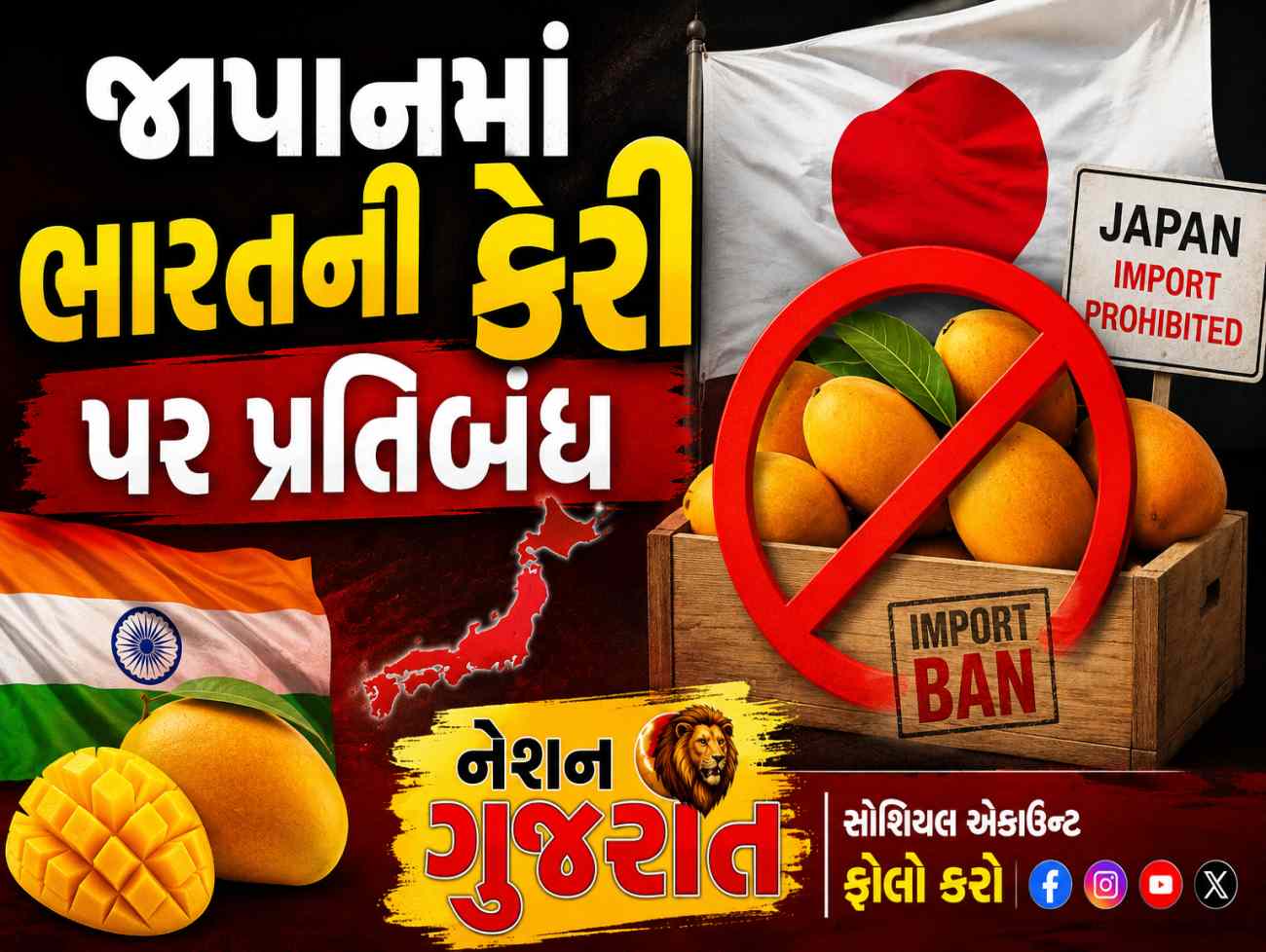
આ વર્ષે March 2026 દરમિયાન Uttar Pradesh ના Rahmanpur ખાતે આવેલી facility માં inspection હાથ ધરવામાં આવ્યું હતું. તપાસ દરમિયાન fumigation process અને disinfection system માં કેટલીક technical shortcomings જોવા મળી હતી. ત્યારબાદ Yokohama Plant Protection Association એ જાહેરાત કરી કે 25 March 2026 પછી issue થયેલા certificates માન્ય રહેશે નહીં.
20 વર્ષ બાદ ફરી લાગ્યો પ્રતિબંધ
આ પહેલાં Japan એ વર્ષ 2006 માં પણ Indian mangoes પર restriction મૂક્યું હતું. તે સમયે fruit fly contamination ને કારણે import રોકવામાં આવ્યો હતો. Japan ખેતી (Agriculture) અને food safety મામલે ખૂબ જ strict policies follow કરે છે. દેશમાં pests સામે zero tolerance policy લાગુ છે.
Japanese government નું માનવું છે કે imported fruits માં જોવા મળતા જીવાતો (Pests) સ્થાનિક ખેતી માટે ગંભીર જોખમ ઊભું કરી શકે છે.
Indian Mango Export માટે કેમ મહત્વપૂર્ણ છે Japan?
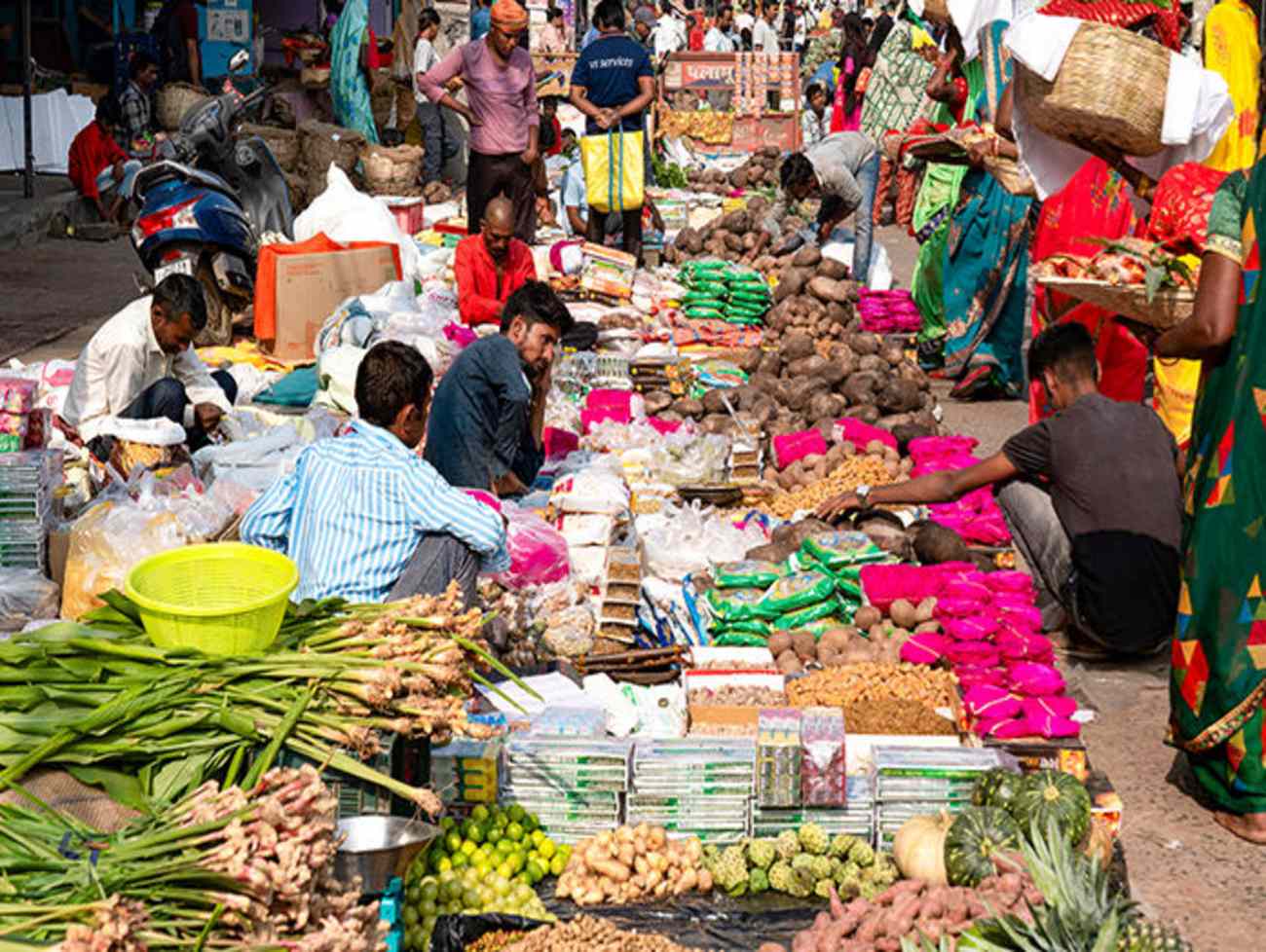
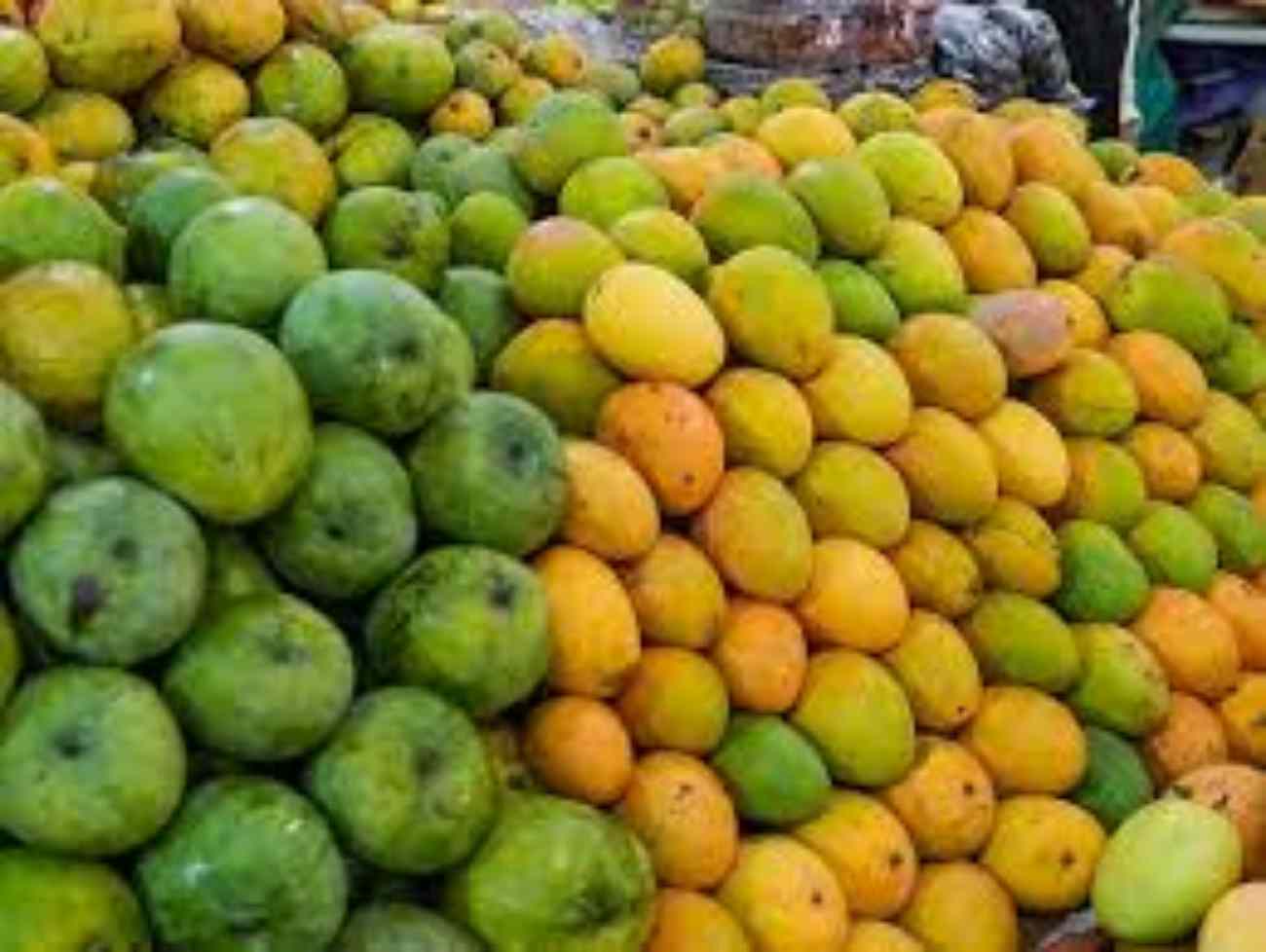
Japan ભારતનો સૌથી મોટો mango importer નથી, પરંતુ Japanese market માં Indian mangoes ને premium pricing મળે છે. ખાસ કરીને Alphonso અને Kesar mango ની demand ત્યાં ખૂબ વધારે હોય છે.
ભારતમાં દર વર્ષે અંદાજે 280 લાખ metric ton જેટલું mango production થાય છે. Export market માં Japan જેવી developed countries ભારતીય ખેડૂતો અને exporters માટે મહત્વપૂર્ણ ગણાય છે કારણ કે ત્યાં quality fruits માટે ઊંચા ભાવ મળે છે.
હવે exporters ને ભય છે કે Japan ના આ નિર્ણય બાદ અન્ય દેશો પણ વધુ strict inspection norms લાગુ કરી શકે છે.
ખેડૂતો અને Exporters ની વધી મુશ્કેલી
આ વર્ષે પહેલાથી જ excessive heat, climate change અને El Niño effect ના કારણે mango production પર મોટી અસર પડી છે. Maharashtra ની Alphonso belt માં અનેક ખેડૂતો crop damage ને લઈને પહેલેથી જ પરેશાન છે.
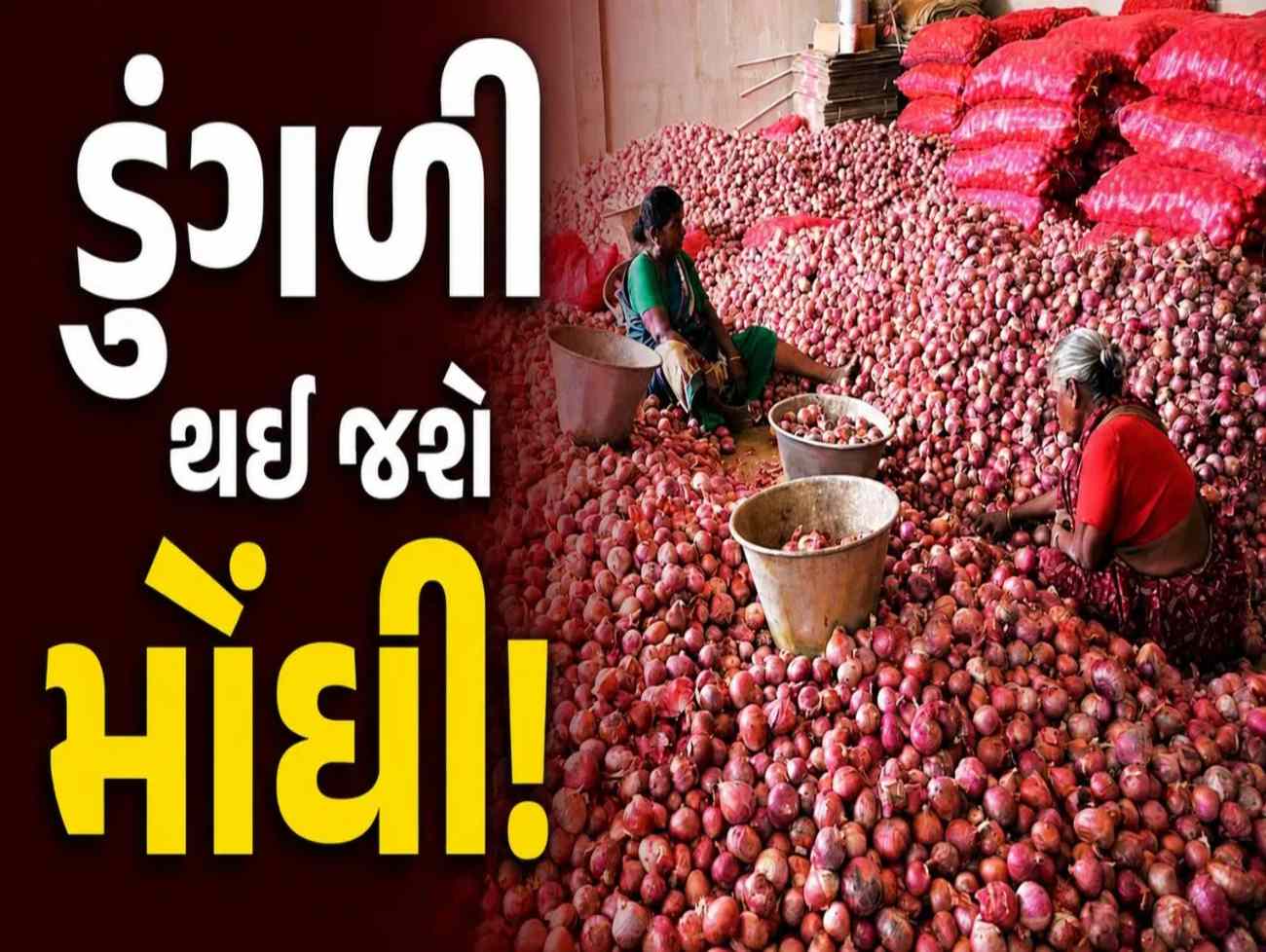
કેટલાક surveys મુજબ અનેક વિસ્તારોમાં 85 થી 90 ટકા સુધી ઉત્પાદન (Production) ઘટવાની શક્યતા છે. હવે export બંધ થતા local market માં supply વધી શકે છે, જેના કારણે ખેડૂતોને ઓછા ભાવ મળવાની ભીતિ વધી રહી છે.
બીજી તરફ exporters ના shipments પણ અટવાઈ શકે છે. Industry experts નું માનવું છે કે જો India ઝડપથી corrective measures નહીં લે તો international market માં business relations પર પણ અસર પડી શકે છે.
Vapour Heat Treatment શું છે?
Vapour Heat Treatment (VHT) એક scientific process છે જેમાં mangoes ને ચોક્કસ temperature અને humidity માં રાખવામાં આવે છે. આ process fruit flies ના eggs અને larvae ને destroy કરવામાં મદદ કરે છે.
મહત્વની વાત એ છે કે આ treatment માં કોઈ chemical નો ઉપયોગ થતો નથી. Japan, USA અને Australia જેવા દેશો માટે આ treatment ફરજિયાત ગણાય છે.
સરકાર શું પગલાં લઈ શકે?
હાલ Indian authorities અને APEDA (Agricultural and Processed Food Products Export Development Authority) Japan સાથે technical discussions કરી રહ્યા છે. શક્યતા છે કે આગામી સમયમાં facilities માં જરૂરી સુધારા કરવામાં આવશે અને Japanese authorities ફરી inspection કરશે.
Experts નું માનવું છે કે જો India ઝડપથી international quality standards ને અનુરૂપ changes કરશે તો આ ban temporary સાબિત થઈ શકે છે.
Global Market માં Quality Standards નું વધતું મહત્વ
આ સમગ્ર ઘટના ફરી એકવાર બતાવે છે કે global export market માં માત્ર વધુ ઉત્પાદન પૂરતું નથી. International standards, food safety, quality control અને pest management જેવી બાબતોનું પણ એટલું જ મહત્વ છે.
ભારતીય કેરી (Indian Mango) વિશ્વભરમાં તેના સ્વાદ (Taste), સુગંધ (Aroma) અને ગુણવત્તા (Quality) માટે જાણીતી છે. હવે સૌથી મોટો પડકાર Japan જેવા premium markets નો વિશ્વાસ ફરી જીતવાનો રહેશે