


Related Posts
Category : Gujarat
Public involvement guidance for researchers Health Research Authority

Public involvement guidance for researchers Health Research Authority
If you are looking for people who are individual patients/family carers, you can, for example, put up notices in the waiting room of a relevant local clinic, or advertise in a local newspaper. They may be members of the project steering group and thus have the opportunity to comment on the progress and development of the project or they could provide advice as an advisory group. These depend on the design of the project, but here are some general examples.
NICE guidance aims to improve quality by providing health and social care professionals, and patients and the public, with the information they need to make decisions about treatment and care. NICE develops national guidance, advice and standards on promoting good health, preventing and treating ill health and on the care people should receive from social care. NICE is committed to continuing and developing its patient and public involvement work, a commitment underpinned by this policy. The value of this patient, service user, carer and public involvement has been shown many times in the guidance NICE has produced. In April 2013 NICE’s remit expanded to include producing guidance and quality standards on social care topics.
Patient and Public Involvement in the LOCOMOTION Long COVID Study

To support the involvement of patients, service users, carers and other lay people, NICE has developed a series of guides that explain how individuals and organisations can help us develop guidance. There are many opportunities for lay people, and the organisations that represent them, to be involved with NICE’s work. Our methods and processes for involving lay people are based on the best available evidence, and on extensive practical experience. Our guidance aims to address issues relevant to patients, service users, carers and the public, reflect their views, and meet their health and social care needs. To support this work we are building on existing relationships with organisations who work in social care and fostering new relationships with organisations with whom we have not worked previously.
Some committees and groups also invite individual lay people to attend a meeting as an expert on a particular treatment, intervention, health issue, condition or disability. We advertise openly for individual lay people to join our independent committees and working groups. When developing guidance, NICE includes national [read footnote 4] charitable and not-for-profit (third sector) organisations as stakeholders in its work. To ensure this, each NICE work programme has published process and methods guides that detail how NICE goes about its work. As a consequence we have developed some principles for working with children and young people.
NICE quality standards are a set of specific, concise statements that act as markers of high-quality, cost-effective patient care, covering the treatment and prevention of different diseases and conditions. The patient and public involvement policy was last updated in November 2013. PIN also acts to raise the profile of third sector organisations in their interactions with NICE.
Eligibility criteria We included systematic reviews of empirical studies focusing on PPI in the mesolevel and macrolevel of healthcare. Objectives To provide an overview of patient and public involvement (PPI) in the mesolevel and macrolevel of healthcare (different from PPI in research) and identify directions for future research by mapping contexts, terminology, conceptual frameworks, measured outcomes and research gaps. Local and regional organisations can register as stakeholders in the absence of a relevant national organisation.
No, you do not need to apply to the HRA for ethical approval to involve the public in the planning or the design stage of research, even when those people are NHS patients. Public involvement can benefit different types of health and social care research. Chief Investigators are responsible for making sure that a research project makes effective use of patient, service user and public involvement where appropriate. Public involvement is important, expected and possible in all types of health read the document and social care research.
Participation is also sometimes used synonymously with ‘Involvement’, but this strategy defines it as the role of patients or the public as the subjects or participants in research studies or research trials. While there is evidence of positive outcomes in certain areas, several research gaps remain to be addressed. The diversity in systematic review types, contexts and terminology highlights the complexity of the field. In conclusion, this systematic mapping review sheds light on the evolving landscape of PPI in the mesolevel and macrolevel of healthcare.
Greenhalgh et al reported on frameworks for PPI in research,13 whereas we cover frameworks and conceptual guidance for PPI in the mesolevel and macrolevel of healthcare (see table 2) which can be helpful for those who are new to engaging patients and the public. Our mapping review of systematic reviews complements recently published studies in several ways. While some areas, such as patient safety, show significant positive outcomes, others require more robust evidence. Again, the findings from specific categories of PPI contexts underscore the heterogeneity of results. To measure the effects and impact of PPI, it is also crucial to consider the complex–interplay of various factors leading to a certain outcome.11 As already pointed out in the Alma Ata declaration, every community might have specific local challenges and needs, meaning there is no one-size-fits-all for PPI.





















































































































































































































































































































































































































































































































































































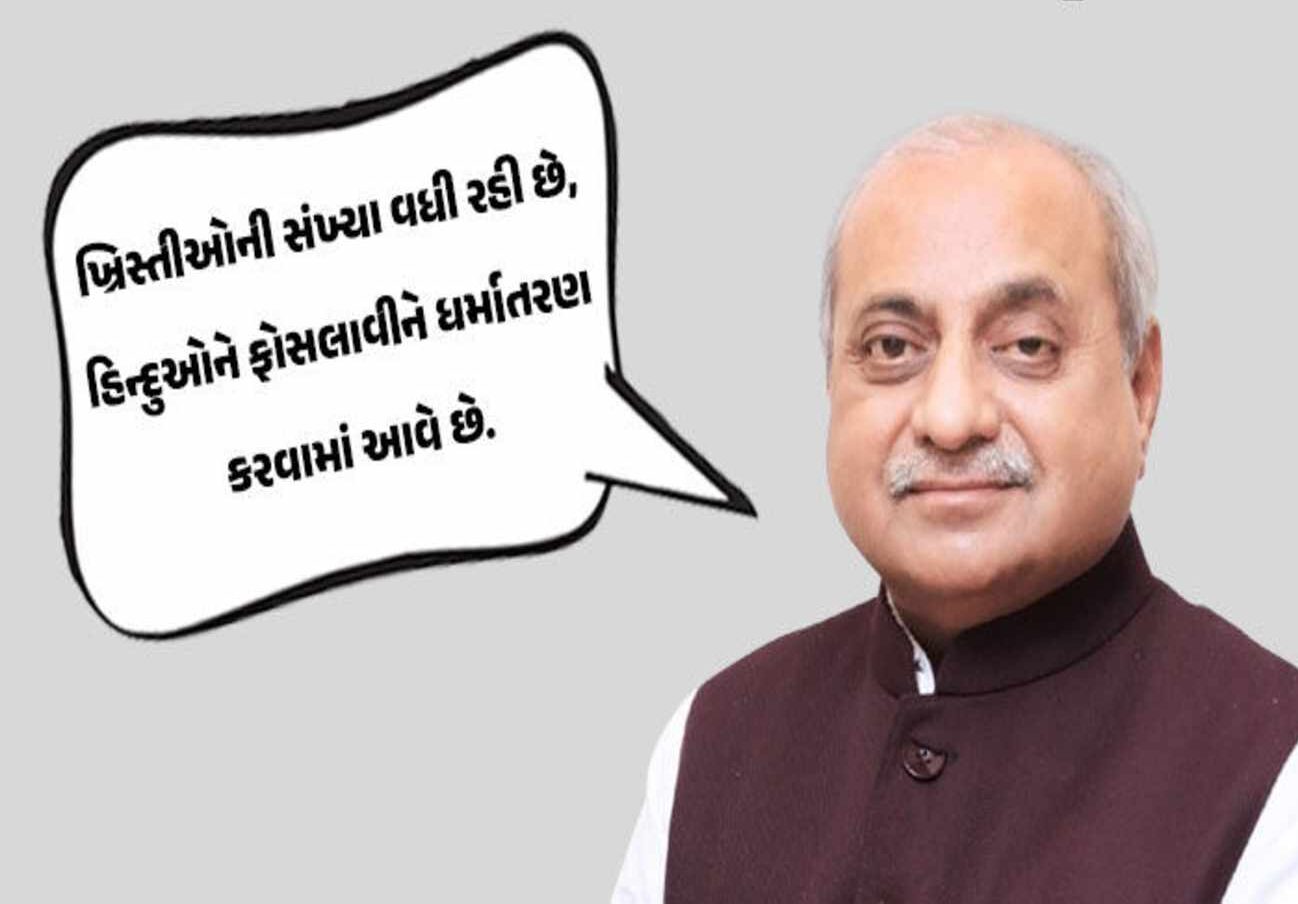













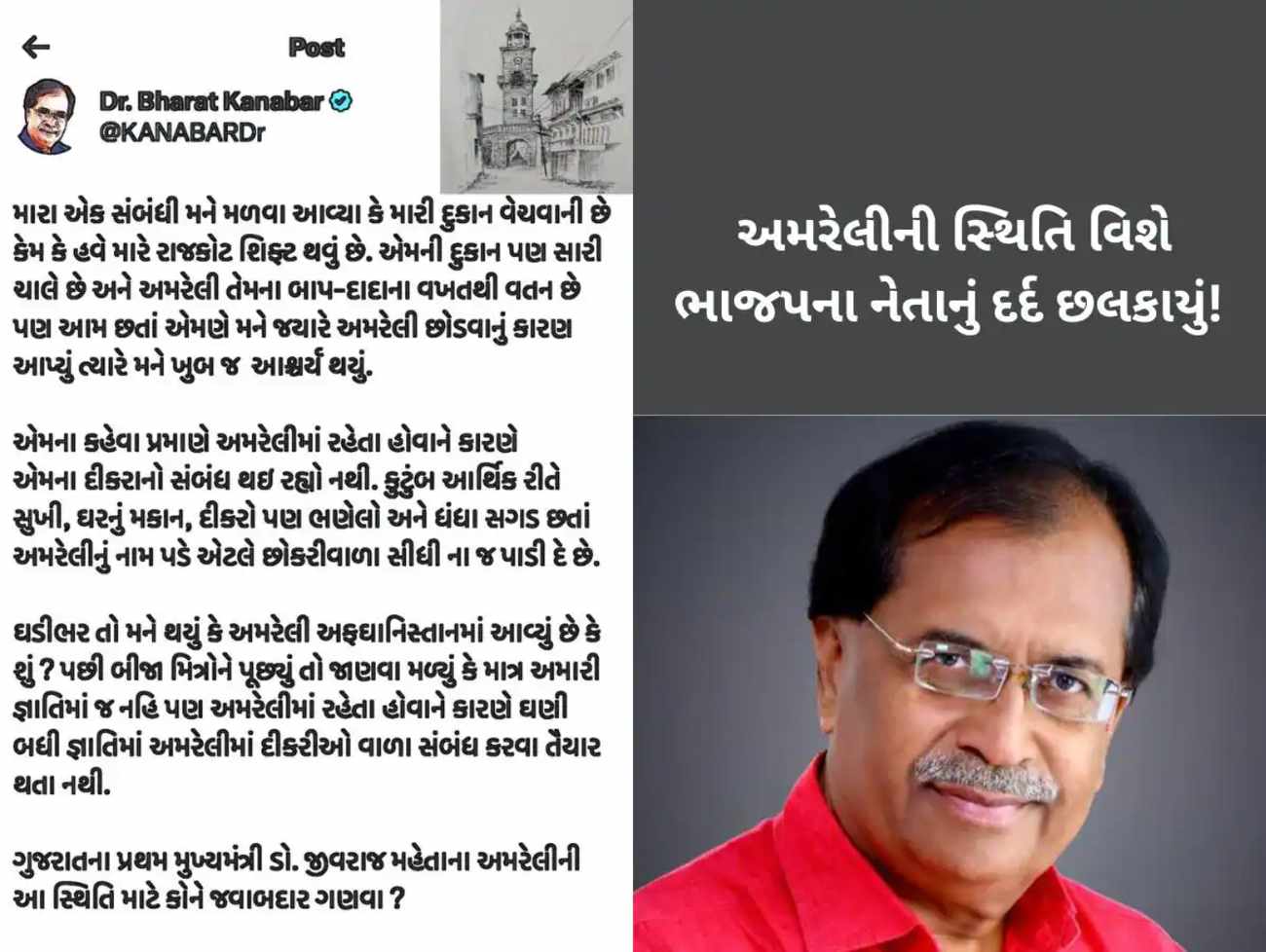











































Load more

Live Cricket Score
-
![]()
ઊંચાઈ માત્ર 2 ફૂટ અને કિંમત 1 કરોડ રૂપિયા!:પુષ્કરના મેળામાં દુનિયાની સૌથી નાની ભેંસ
26 Nov, 2026 -
![]()
ટેલિકોમ બાદ જ્યોતિષ ક્ષેત્રમાં Jioની એન્ટ્રી, લોન્ચ કર્યું AI આધારિત JioAstro એ
25 Nov, 2026 -
![]()
શું શરદ પવાર બદલશે રાજકીય સમીકરણો? NDAમાં જોડાવાની અટકળો વચ્ચે ભુજબળે શું કહ્યું?
24 Nov, 2026 -
![]()
Explained: ₹10ની પાણીની બોટલ ખરીદતાં પહેલાં આ વાત જાણી લો!, બિસલેરીની બોટલમાં ખામી! તો લોકલ પાણી કેટલું સુરક્ષિત?
24 Nov, 2026 -
![]()
રસોડામાં મોંઘવારીનો વિસ્ફોટ: દાળ-તેલથી દૂધ સુધી ભાવવધારો, સામાન્ય જનતા પર બોજ
24 Nov, 2026





-
Charnwood Housing Strategy 2005 2010: Successful, Thriving and Inclusive
27 Nov, 2026 -
6 Artists Who Made Cubism Popular Google Arts & Culture
27 Nov, 2026 -
Translational framework for implementation evaluation and research: implementation strategies derived from normalization process theory Implementation Science Springer Nature Link
27 Nov, 2026 -
Contraception Contraception
27 Nov, 2026 -
Otkrijte Najbolje Slot Stranice u Hrvatskoj za Velike Pobjede!
27 Nov, 2026